
What is a troy ounce? A plain guide for bullion buyers
A troy ounce is 31.1035 grams. Gold, silver, platinum and palladium are weighed and priced in it around the world, and it is not the ounce printed on a packet of flour. Get that one difference straight and product pages, price charts and the stamps on a bar become much easier to read.
- •A troy ounce is 31.1035 grams, about a tenth heavier than the everyday ounce.
- •In bullion, "ounce" means troy ounce, written oz or ozt.
- •A kilogram is about 32.15 troy ounces; divide an ounce price by 31.1035 to get the gram price.
- •Compare pieces by pure metal content: 22 karat coins weigh more but still hold one ounce of gold.
Troy ounce vs the everyday ounce
The ounce most people grew up with is the avoirdupois ounce, about 28.35 grams. Recipes use it, so do postal scales and the labels on imported food. The troy ounce is a different unit altogether, and at 31.1035 grams it is roughly a tenth heavier.
That gap is bigger than it sounds. Tell someone a coin weighs one ounce and let them picture 28 grams, and they have quietly lost about three grams of metal. In gold, three grams is not small change.
Here is an oddity customers tend to like. A troy pound holds only 12 troy ounces, while an ordinary pound holds 16, so the troy pound is the lighter of the two even though each troy ounce is heavier. Nobody buys bullion by the troy pound any more, so you can let that one go.
Why bullion uses troy ounces
Precious metals have been weighed in troy units for centuries. The name is usually linked to Troyes, a French market town known for its medieval trade fairs. Other goods moved on to other systems; gold and silver never did.
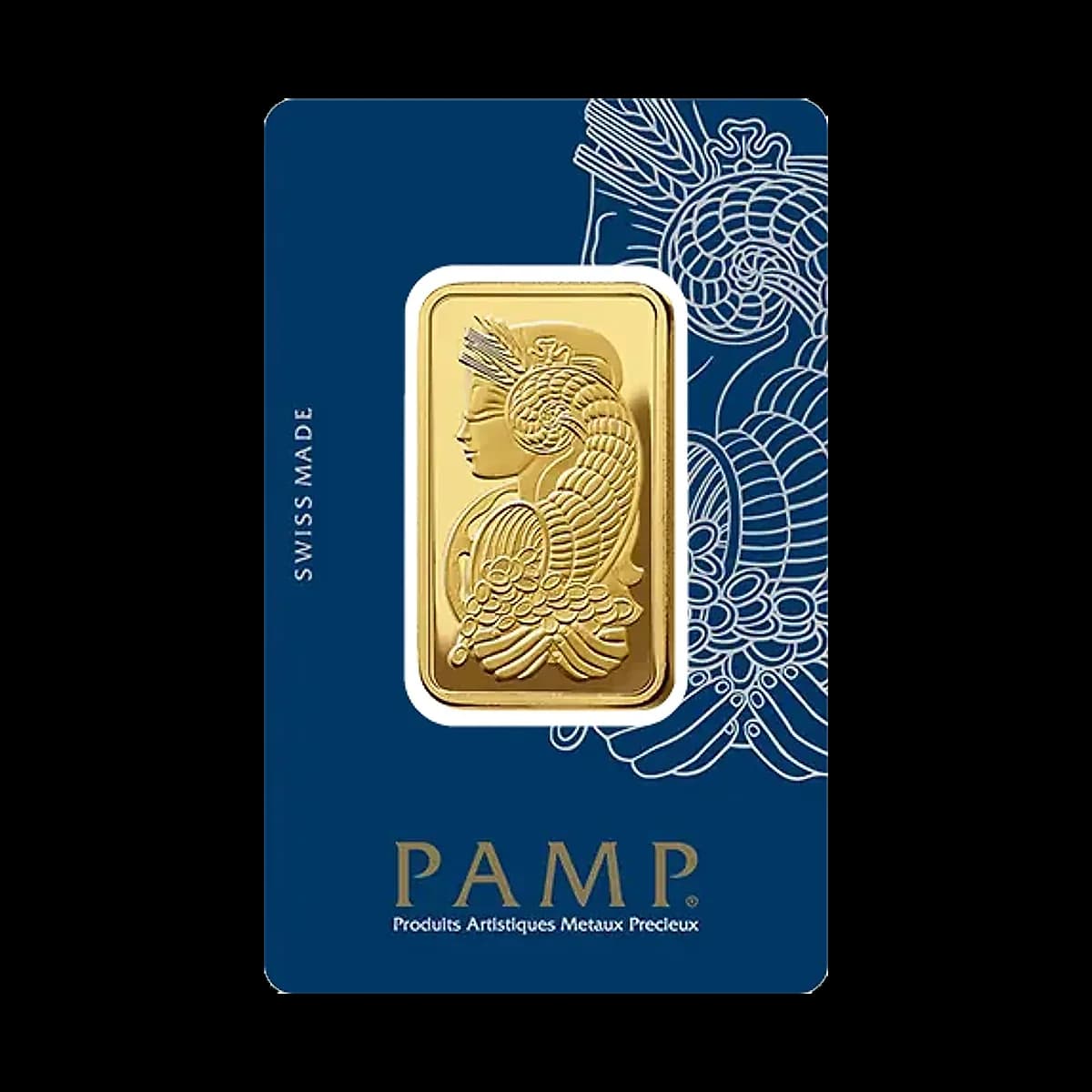
These days the reason is consistency. The big international markets, London included, where the LBMA sets standards for the trade, quote and settle in troy ounces. Refiners such as PAMP, Perth Mint and the Royal Canadian Mint build their standard products around it, and price feeds everywhere show a figure per troy ounce. Because everyone measures the same way, a one ounce bar made in Switzerland can be set beside one from Australia and compared directly.
In the bullion trade, "ounce" on its own means troy ounce. You will see it written oz, or sometimes ozt to be extra clear. If a dealer ever meant the kitchen ounce, something would have gone badly wrong.
Converting between grams, ounces and kilos
Most Singapore buyers think in grams. Much of the world market thinks in ounces. Product listings use both, so it helps to have a few conversions to hand. These are the ones we are asked about most at the counter.
If you remember only one, make it the kilo. A kilogram is about 32.15 troy ounces: not 32, and certainly not 35, which is the everyday-ounce figure. When you are weighing up one large bar against a pile of one ounce pieces, that number is the bridge between them.
- 1 troy ounce = 31.1035 grams
- 10 troy ounces = 311.035 grams
- 100 grams = about 3.215 troy ounces
- 1 kilogram = about 32.15 troy ounces
- Ounces to grams: multiply by 31.1035. Grams to ounces: divide by 31.1035.
How gold and silver prices are quoted per ounce and per gram
The world spot price for gold and silver is quoted per troy ounce, usually in US dollars. Our prices follow that live spot price through the day, and you can see current figures and charts at bullionking.sg/market. On weekends, when the world market is closed, we sell at the last closing price.
Moving between the two units is one step. Divide the price per troy ounce by 31.1035 and you have the price per gram. Multiply to go back. For a kilo, take the gram price times 1,000, or the ounce price times about 32.15.
Spot is the price of the raw metal, though. What you pay for a particular bar or coin is spot plus a premium that covers refining, minting and getting it to the shop, and we show that premium openly on every product page. Smaller pieces tend to carry more premium per gram than bigger ones, simply because each one takes about as much work to make and handle.
Reading weight and fineness on a bar or coin
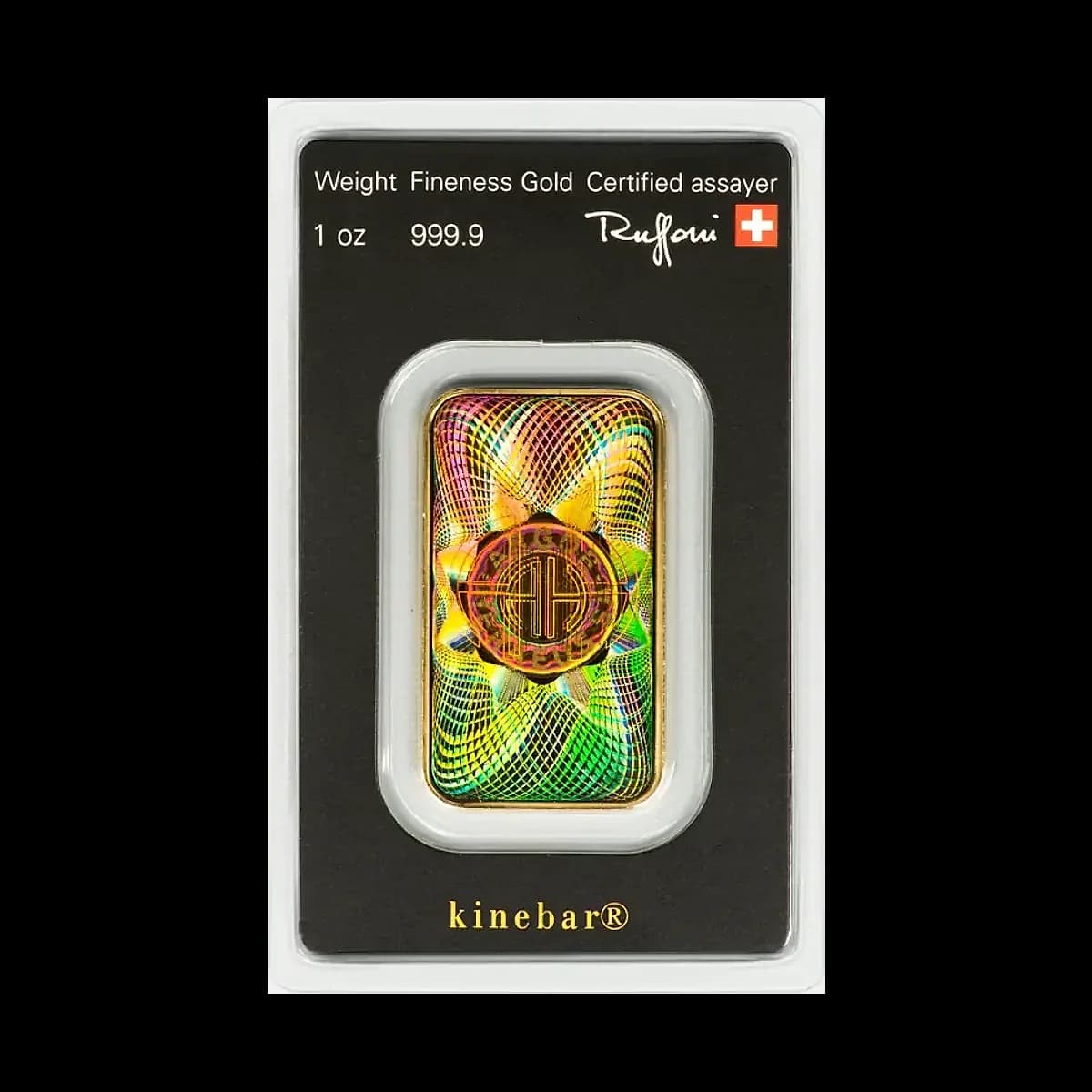
Turn over a branded bar and you will normally find three things stamped on it: the refiner's mark, the fineness, such as 999.9, and the weight. A one ounce bar may say 1 oz, 31.1035 g, or both. Bigger bars are often marked in grams or kilograms.
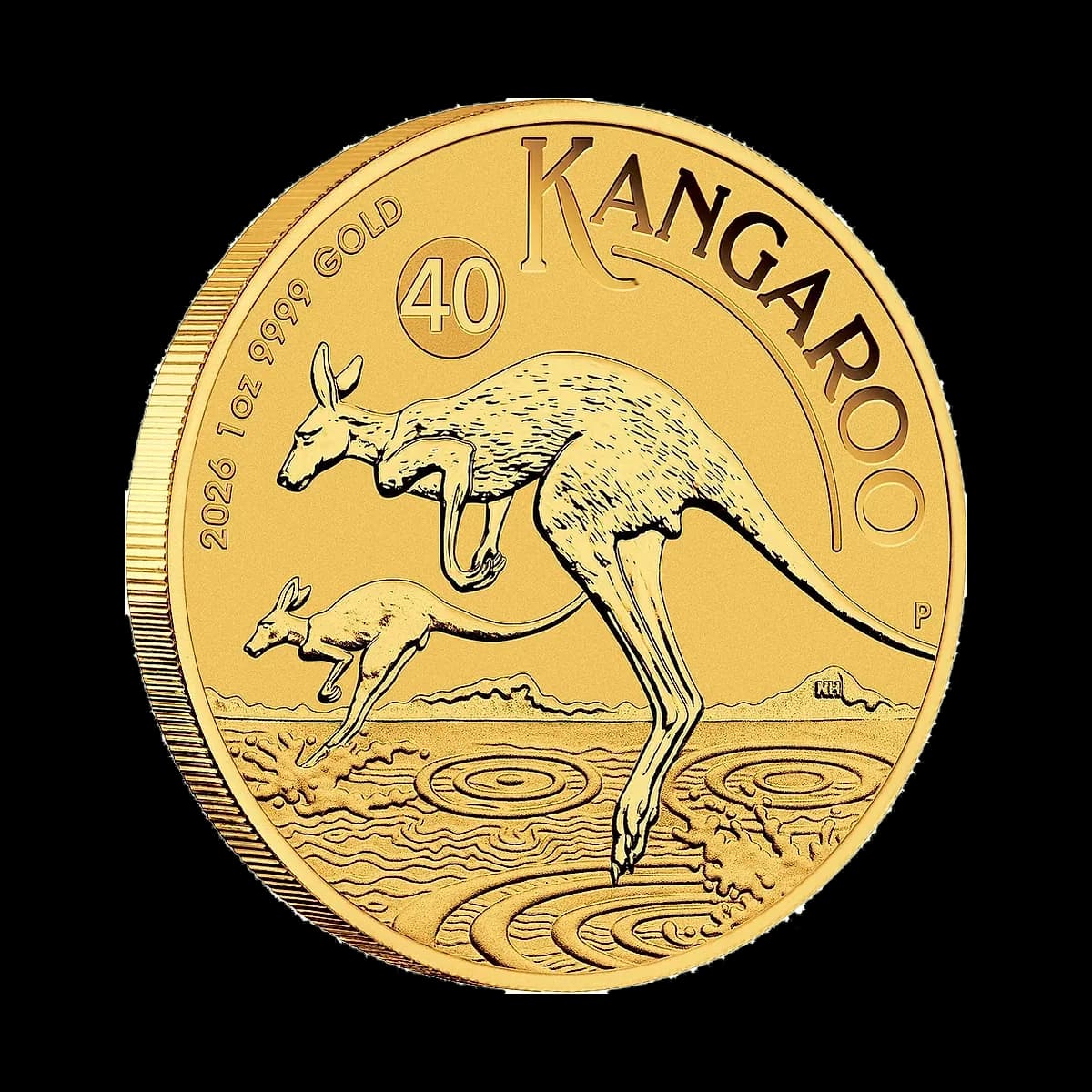
Weight and fineness have to be read together. A one ounce bar at 999.9 is, for practical purposes, one ounce of pure gold. Some coins work differently. The American Gold Eagle and the Krugerrand are 22 karat, 91.6 per cent gold, so the coin weighs more than an ounce yet holds exactly one troy ounce of pure gold. The Maple Leaf, Britannia, Philharmonic, Kangaroo and Buffalo are 999.9, so their weight sits close to the gold they contain.
The lesson: compare pure metal content, not what the scale says. A heavier coin is not automatically more gold. Before anything goes on sale with us, it is checked with PMV and XRF testing, and PAMP bars also get a Veriscan check.
The tola, the tael and other local units
Plenty of our customers grew up with family units rather than metric ones, and they come back into use around Deepavali or a wedding. The tola, common in South Asian communities, is 11.66 grams. That is roughly 0.375 of a troy ounce.
Some refiners make tola bars for exactly this reason, with the tola weight stamped beside the grams or in place of them. To compare a tola bar with a gram bar, turn both into grams first and the answer usually becomes obvious.
We also get asked about the tael, used in Chinese goldsmith shops. Its weight has differed from place to place over the years, so we would rather not guess. Ask whoever quoted you a tael for the figure in grams. Grams leave no room for argument.
Questions people ask
Is a one ounce gold bar the same weight as a one ounce coin?
For 999.9 coins like the Maple Leaf, the weight is practically the same as a one ounce bar. A 22 karat coin such as the Krugerrand weighs more because it contains other metals, but the pure gold inside is still one troy ounce.
Why does my kitchen scale show a different number for my coin?
Kitchen scales set to ounces use the everyday ounce of about 28.35 grams, so a troy ounce reads as roughly 1.1. Switch to grams and a one ounce 999.9 piece should show about 31.1, give or take the scale's own accuracy.
Do you price gold by the gram or by the ounce?
Each product page shows the item's weight and its price, whatever unit the piece is made in. For the underlying metal price, see the live figures and charts at bullionking.sg/market.
When I sell gold back, is it weighed in ounces or grams?
We test the piece at the counter and work from the actual metal in it, so it does not matter whether it was stamped in ounces, grams or tola. The final amount is set after testing, at that moment's price. You can start at bullionking.sg/sell.
Live prices are at bullionking.sg/market, and you are welcome to walk into our shop at Centrium Square, 320 Serangoon Road, to see the bars in person, no appointment needed. If you would rather ask a quick question first, WhatsApp us on +65 8088 4858.
General information, not financial, tax or legal advice. For the official rules see IRAS and the Ministry of Law.
Popular bullion at today's prices
 Pre-order