
Spot price and selling price: why they differ
The gold price on the news and the price on a bar in our shop are never the same number, and it is one of the first things new customers ask us about. Spot is a wholesale price for very large bars. What you buy from us is a finished, tested piece that someone has refined, made, shipped and kept in stock for you. The gap between the two is called the premium, and once you know what it covers, comparing prices gets a lot simpler.
- •Spot is a wholesale price for large bars, not what anyone pays for a small bar or coin.
- •The premium covers refining, minting, packaging, shipping, testing and the dealer's running costs.
- •Small pieces and coins carry a higher premium per gram because the making costs are spread over less metal.
- •To compare dealers, look at the premium on the same product at the same moment, plus any fees.
What the spot price actually is
Spot is the price at which gold, silver or platinum changes hands for immediate settlement on the world wholesale market. It is normally quoted in US dollars per troy ounce. A troy ounce is 31.1035 grams, a bit heavier than the ounce in a kitchen recipe.
The trading behind that figure happens between banks, refiners and large institutions, and they deal in big standard bars. In gold, the London market uses Good Delivery bars of roughly 400 troy ounces each, made by refiners on the LBMA's Good Delivery list. You cannot walk into a shop and buy one of those across the counter at spot.
While the markets are open, spot moves all day, from the start of the week in Asia to the Friday close in New York. A spot price in Singapore dollars per gram or per ounce is simply the US dollar figure converted at the current exchange rate.
Our market page shows spot in Singapore dollars as it moves, and every product price on our site is built on top of that live figure.
Why no dealer sells at spot
Spot is the price of raw metal sitting in a vault in London or Zurich, in a form you cannot easily use. Getting it into a 10 gram bar in your hand on Serangoon Road takes several steps, and each one costs money.
A dealer selling at spot would be paying for refining, minting, freight, testing, rent and staff out of thin air. That is not a business. If you ever see an offer at spot or below, take a careful look at what exactly is being sold.
Dealers also work with two prices. There is the price we sell to you at, which sits above spot, and a lower price at which we buy back. The distance between them covers the cost and risk of holding stock in a market that never sits still.
At weekends the world market is closed, so there is no live spot to follow. Our shop then sells at the last closing price until trading starts again, which is why a Sunday afternoon price can look exactly like Friday evening's.
What goes into the premium
The premium is whatever you pay above the value of the pure metal in the piece. It is not a single fee. It is a pile of real costs, and it varies from product to product for sensible reasons.
Roughly, from the refinery to our counter, it pays for:
- Refining and fabrication: melting down large bars and casting or stamping smaller ones, each marked with the refiner's name, fineness and weight.
- Minting: coins and minted bars are struck under heavy presses with detailed designs, which costs more than pouring a plain cast bar.
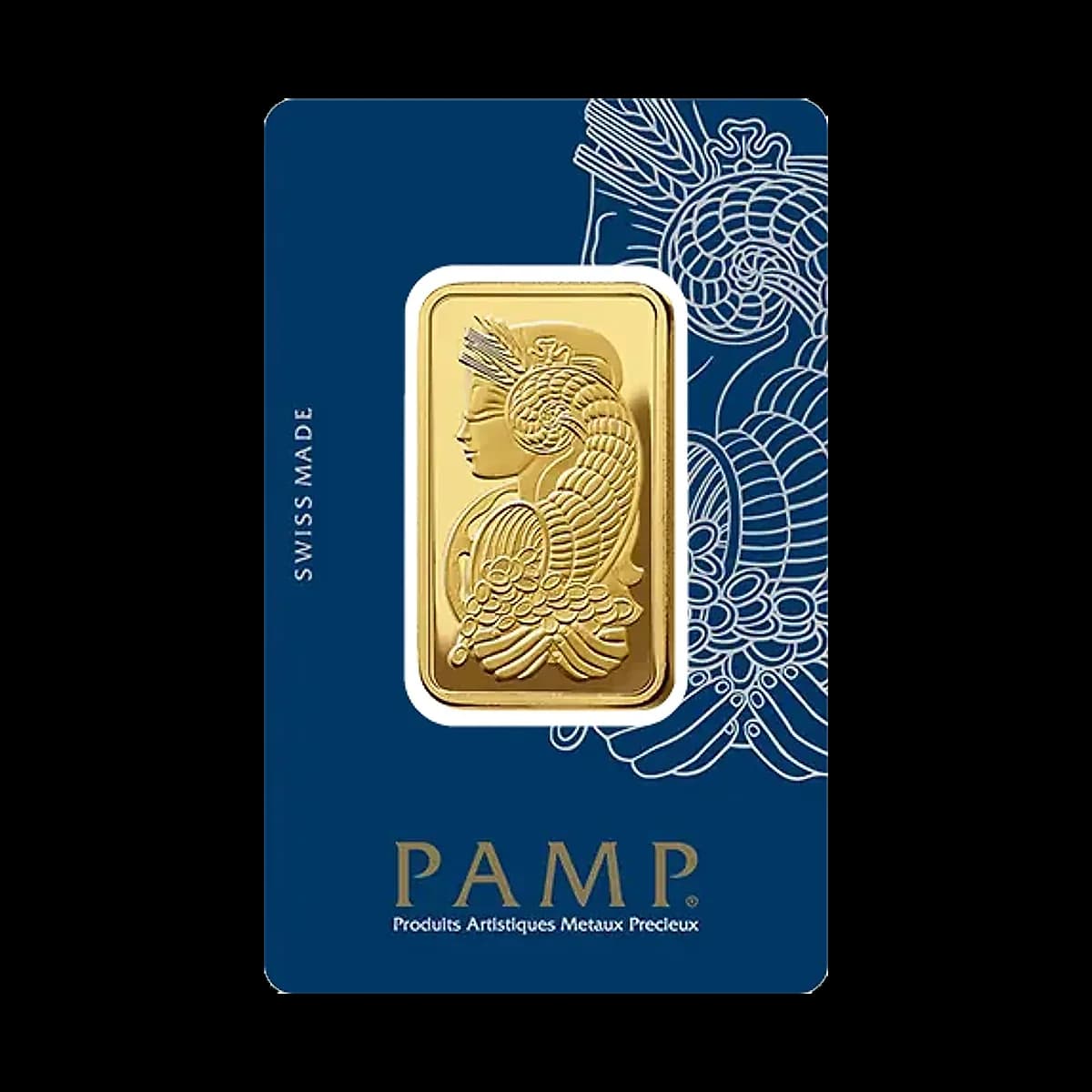
- Packaging and security: sealed assay cards and certificates, and on PAMP bars, the Veriscan surface recognition system we use to check them.
- Shipping: moving metal securely from refiners and mints in Europe, Australia, Canada and elsewhere to Singapore.
- Dealer costs: testing every piece, keeping stock on the shelf, rent, staff, and the risk that prices move while the metal waits for a buyer.
- Demand: when lots of people want the same coin or size at once, its premium can rise even if spot stays flat.
Why small pieces cost more per gram
A 1 gram bar and a 1 kilogram bar go through much the same process. Both are cast or struck, stamped, sealed, checked, packed and shipped. Spread those costs over 1 gram in one case and 1,000 grams in the other, and you can see why the small bar carries a far bigger premium for each gram of gold.
So as you move up a price list from 1 gram to 5, 10, 50 and 100 grams, then a kilo, the premium per gram generally falls. A kilo bar holds about 32.15 troy ounces of metal under one stamp and one card.
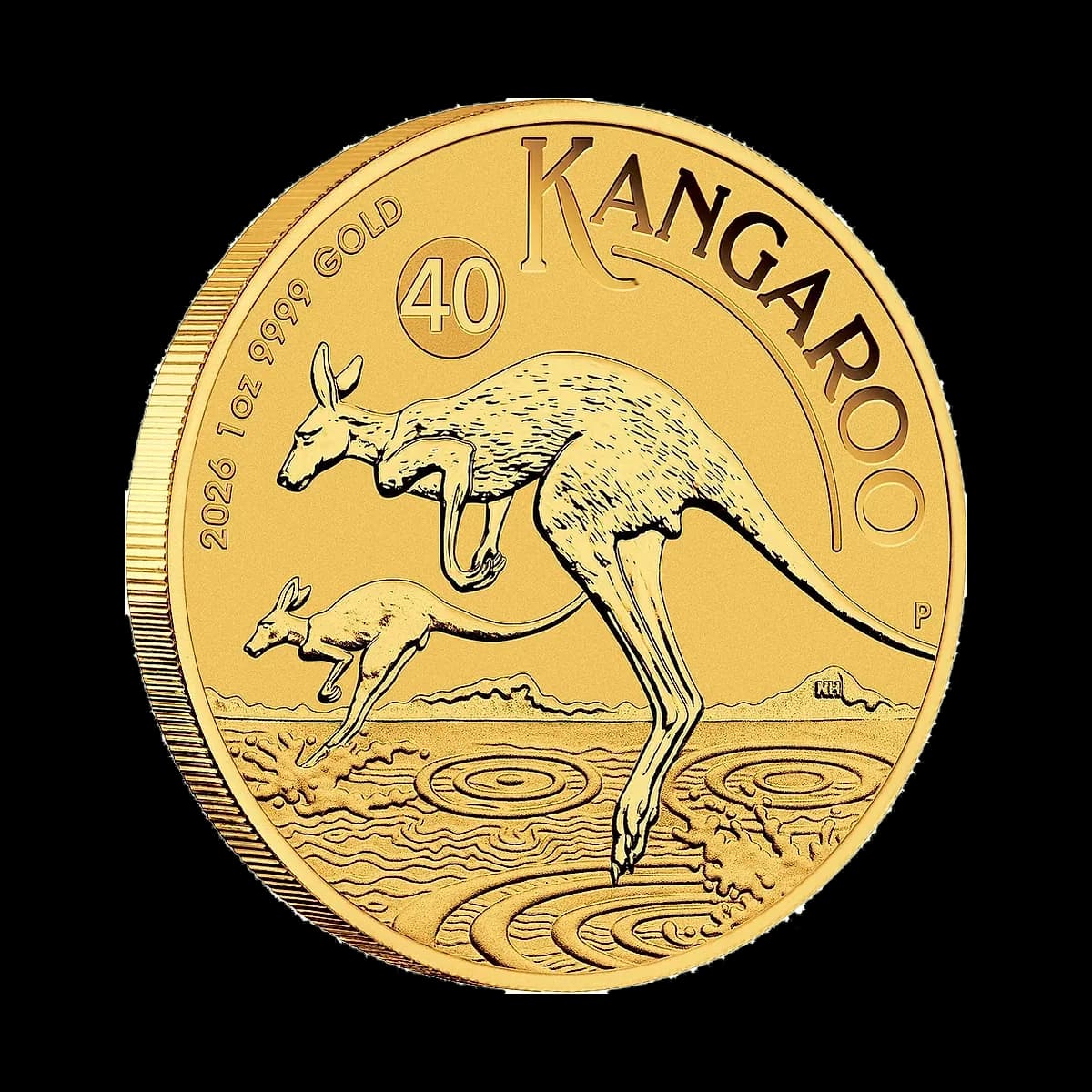
Coins usually cost more than bars of the same weight. A Maple Leaf or a Kangaroo is struck to a tight standard with a detailed design, and the mint charges for that work. Silver shows the effect even more clearly: the metal is cheaper, but making and shipping each piece is not.
Neither size is right or wrong. Some customers like smaller units because they can sell back part of their holding at a time, or because a small bar makes a neat gift for Chinese New Year or a wedding. It simply pays to know what size does to the price.
How to compare dealers fairly
Headline prices can mislead, because spot moves between the time you check one dealer and the next. A price that looked lower at 1pm may just have been quoted when spot was lower. Comparing premiums gets around that.
To work out a premium, take the selling price and subtract the value of the pure metal at spot at that same moment. Divide what is left by the fine weight, and you have the premium per gram or per ounce. For our own pieces you can skip the maths, since the premium is shown on every product page.
Compare like with like: a 100 gram PAMP bar against another 100 gram PAMP bar, not against a cast bar from a different refiner or a handful of coins. Check the fine weight as well. An American Gold Eagle or a Krugerrand is 22 karat, so the coin weighs more than an ounce, yet it holds one full troy ounce of pure gold, the same as a 999.9 Maple Leaf.
Finally, add up what you will actually pay. Card payments may carry a fee, and delivery may cost extra. With us, collecting from the shop is free, and only card payments carry a fee; PayNow, bank transfer and cash do not.
Where GST fits in, and selling back
Since 1 October 2012, investment precious metals have been exempt from GST in Singapore. That covers bars, wafers and coins of gold at least 99.5% pure, silver at least 99.9% and platinum at least 99%, provided bars come from an accredited refiner and coins meet IRAS's conditions. For qualifying bullion, then, the price is spot plus premium, with no 9% GST added. Jewellery is not investment precious metal, and its price normally includes workmanship and GST. IRAS's e-Tax guide has the full rules.
Selling back works on the same logic. A dealer's buy-back price is lower than its selling price, because the piece has to be tested, may need repackaging, and goes back into stock with the same holding costs as before. When you bring gold or silver to us, we test it at the counter and set the final amount at that moment's price.
Questions people ask
Why did the price of a bar change while I was in the shop?
Our prices follow live world spot through the day, so when spot moves, the price moves with it. The premium is shown separately on each product page, so you can see which part changed. If you want to know exactly when your price is locked in, just ask at the counter.
Is a lower premium always the better deal?
Not on its own. Make sure you are comparing the same brand, weight and condition, then add any card fees or delivery charges. Recognised, sealed bars from well-known refiners are generally easier to sell later, which is part of what you are paying for.
Why do coins cost more than bars of the same weight?
Coins are struck by national mints with detailed designs and tight standards, and that costs more than casting a plain bar. Popular coins can also see their premium climb when demand is high.
Do I need to show my NRIC to buy bullion?
For purchases above S$20,000, we take your NRIC or passport details, as the PSPM Act requires of every registered dealer. For smaller purchases, just come in.
You can watch live spot at bullionking.sg/market and see each product's premium at bullionking.sg/shop. If you would rather talk it over, drop by our shop at Centrium Square or WhatsApp us on +65 8088 4858.
General information, not financial, tax or legal advice. For the official rules see IRAS and the Ministry of Law.
Popular bullion at today's prices
 Pre-order