Lunar zodiac gold bars and coins: designs, gifting and premiums
Each year, mints and refiners bring out gold coins and bars showing that year's animal from the Chinese zodiac. In Singapore they sell all year round, and noticeably faster in the weeks before Chinese New Year. Here is how they are made, what to look for on them, why people give them, and why they cost more than a plain bar of the same weight.
- •Lunar gold comes as legal tender coins from mints such as the Perth Mint and as minted bars from refiners such as PAMP.
- •A new animal appears each year in a twelve-animal cycle, which is why these pieces are popular for births and Chinese New Year.
- •Lunar designs carry a higher premium than plain bars because of the design work, packaging and limited runs.
- •Standard 999.9 pieces generally qualify as GST-exempt investment precious metals, but special versions should be checked one by one.
Who makes lunar gold bars and coins
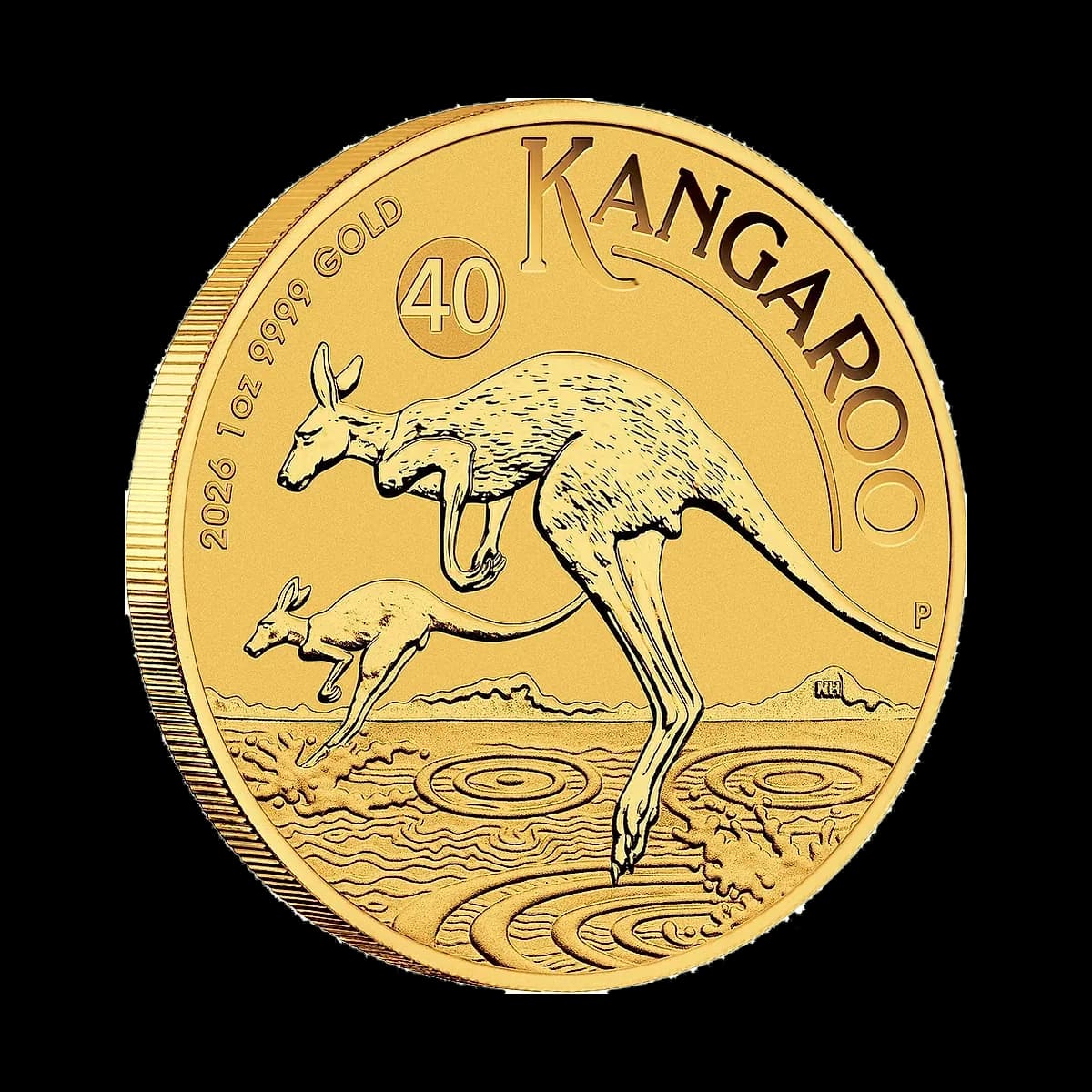
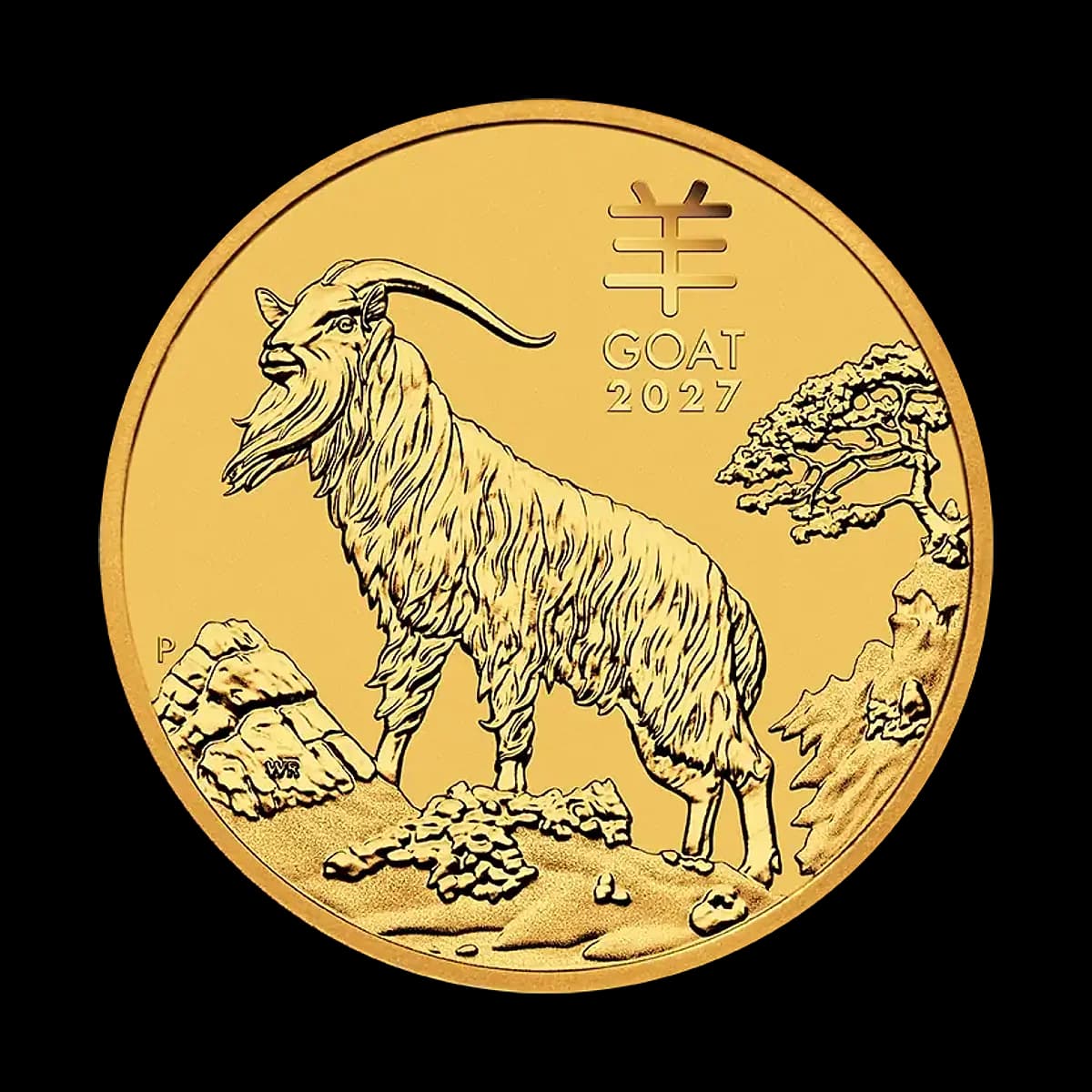
There are two broad families. Government mints strike coins, and private refiners make minted bars. The Perth Mint is the name most people know: its Australian Lunar series started in the 1990s and is now in its third twelve-year cycle. The coins are legal tender in Australia and struck in 999.9 gold. The Royal Canadian Mint has issued lunar designs as well.
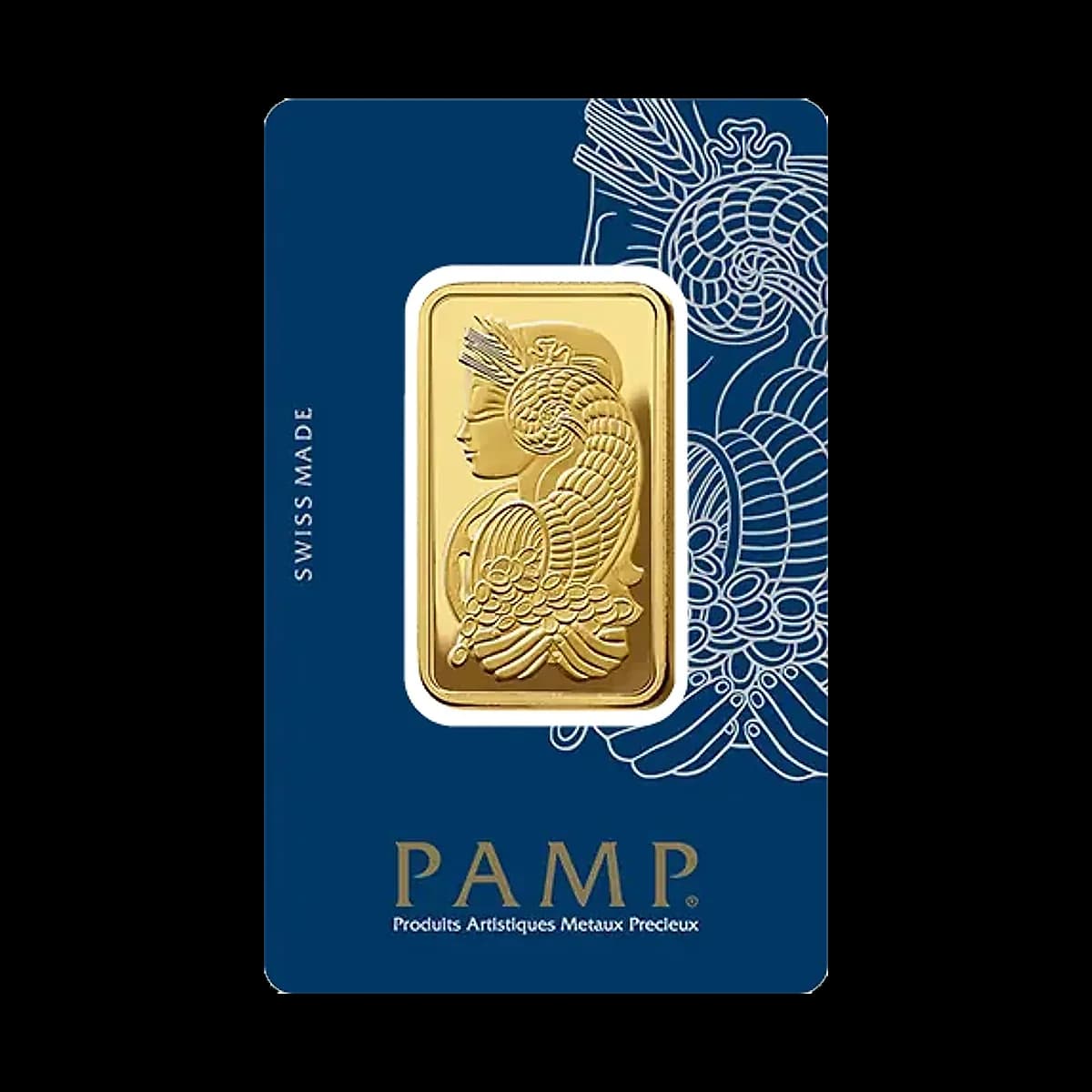
On the bar side, Swiss refiners such as PAMP make minted lunar bars. The animal sits on one face. The other face carries the usual bullion details: the refiner's mark, the fineness and the weight. Most come sealed in a card or plastic assay pack with a serial number, just like the refiner's plain minted bars.
What we have in stock shifts through the year, and most of all around the turn of each lunar year. The shop page shows what is available right now. If you are unsure which series a piece belongs to, ask at the counter and we will show you.
How the yearly animal designs work
The Chinese zodiac is a cycle of twelve animals, and each lunar year belongs to one of them. A new design comes out for every year, so you can usually tell a piece by its animal and the year marked on it. The 2024 pieces carry the Dragon, 2025 the Snake and 2026 the Horse.
One small point catches people out. The lunar year starts at Chinese New Year, which falls between late January and mid-February, not on 1 January. So a baby born in early January usually belongs to the previous year's animal. Here is the full cycle in order:
- Rat
- Ox
- Tiger
- Rabbit
- Dragon
- Snake
- Horse
- Goat
- Monkey
- Rooster
- Dog
- Pig
Reading what is on a lunar bar or coin
The artwork changes every year. The practical information doesn't. A coin normally shows the issuing country, a face value, the year, the weight and the purity. The face value is there to give the coin legal tender status and tells you nothing about what the gold is worth.
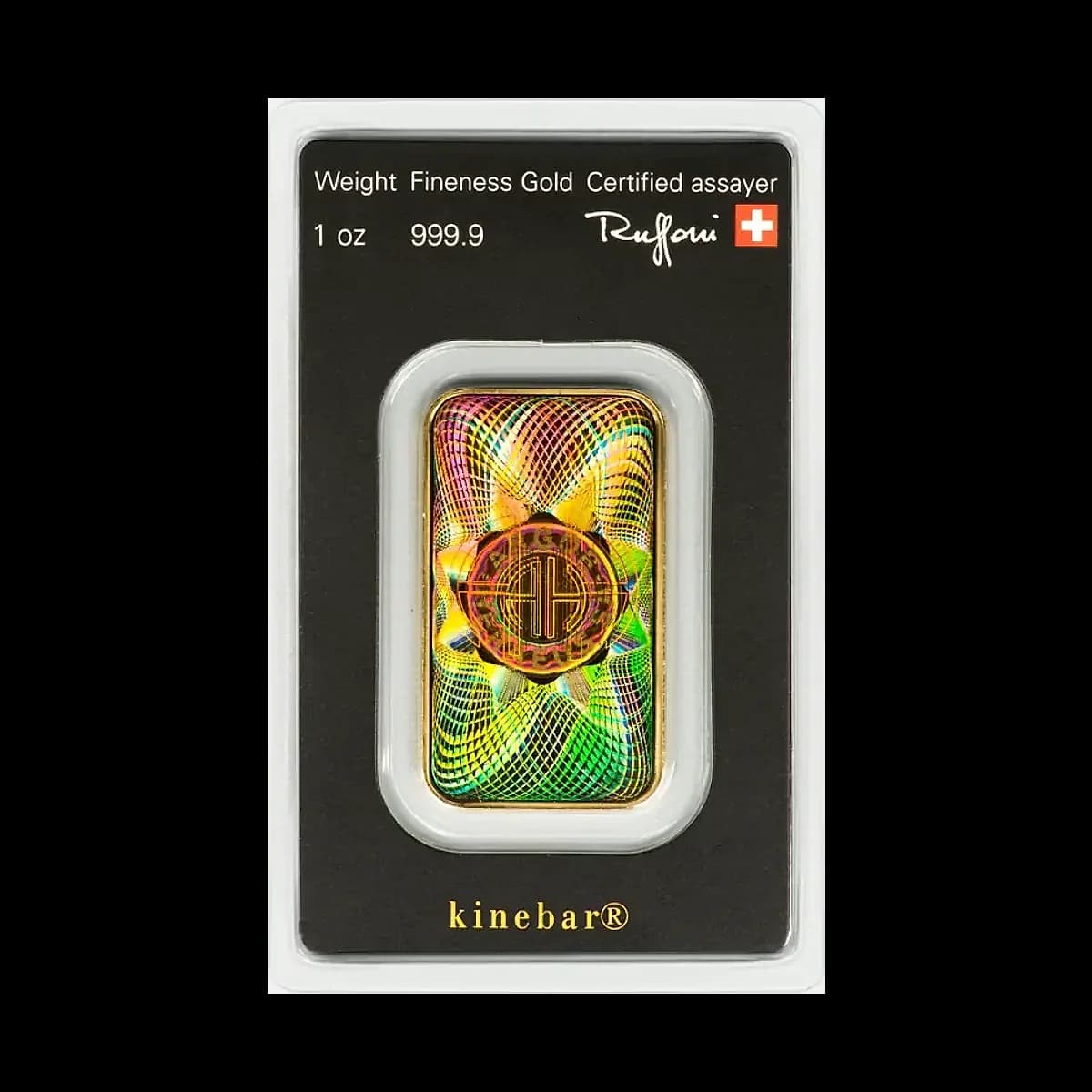
On a minted bar, turn it over. You should find the refiner's name or logo, the weight in grams or ounces, the fineness, such as 999.9, and a serial number that matches the assay card. Lunar coins tend to come in troy ounces and fractions of an ounce, while bars also come in gram sizes. A troy ounce is 31.1035 grams, slightly heavier than the everyday ounce most people have in mind.
You will also see coloured, gilded and proof-finish versions. They look very nice in a display case. Just treat them as a different product from the standard bullion version, because they are priced differently and sold back differently.
Why lunar gold is a popular gift in Singapore
Timing and meaning do most of the work. A piece with the baby's birth-year animal suits a full month celebration, and grandparents often pick the same animal in a small weight. Some families add the new animal each Chinese New Year and build up a set over the years.
Gold also suits a gift that gets put away. A sealed bar in its card, or a coin in its capsule, can sit in a drawer for years and come out looking the same, provided it stays dry. With our humidity, a small airtight box and a sachet of silica gel is enough.
Then there is cost. Sizes from 1 g to 10 g keep the gift within a sensible budget, and it is still solid 999.9 gold, not a gold-plated souvenir. People often tell us that matters to them more than the size.
Why lunar designs cost more than plain bars
Expect a lunar bar or coin to carry a higher premium over its gold content than a plain cast bar of the same weight. The design has to be engraved, striking takes more work, and the packaging is more elaborate. Many designs are made for one year only. Demand also piles up before Chinese New Year, which affects how much stock is around.
The pricing itself works like everything else we sell: the live world spot price plus a premium, shown openly on every product page. That means you can put a lunar piece next to a plain bar of the same weight on our site and see the gap yourself. Prices move during the day, so look at the live figures rather than something you noted last week.
If all you want is the most gold for your money, a plain bar generally gives you more grams per dollar. If the design and the occasion are the point, the extra is what you are paying for. Different purposes, different products.
GST, testing and selling lunar gold back
Investment precious metals are exempt from GST in Singapore if they meet IRAS's conditions. For gold, that means at least 99.5% purity, in the form of a bar, ingot, wafer or coin. Bars must come from an accredited refiner and carry its mark, fineness and weight. Coins must be legal tender in their country of issue and meet IRAS's other conditions.
Standard 999.9 lunar coins and bars generally fit these rules, but some special or decorative versions may not. Ask us about the specific piece, and see IRAS's e-Tax guide for the full rules.
Every piece we sell is tested first, with a Precious Metal Verifier (PMV) and XRF, plus a Veriscan check on PAMP bars. When you sell to us, the final amount is set at the counter after testing, at that moment's price. Collectors sometimes pay more for certain older years, but don't count on it: a bullion buy-back is based mainly on the metal. Keeping the original card or capsule makes the whole process easier.
Questions people ask
Is a lunar gold coin worth its face value?
No. The face value is a nominal figure that gives the coin legal tender status. What it is actually worth comes from its gold content, and occasionally from collector interest in a particular year.
Can I buy a past year's animal, not just the current one?
Sometimes. Older designs depend on what is still around in the market, so it varies. Check the shop page or WhatsApp us with the year and weight you want.
Should I open the sealed card on a lunar bar?
Better not. The card protects the surface and carries the same serial number as the bar, which makes the piece easier to check and sell later.
Do I need to show my NRIC to buy lunar gold?
Only for larger purchases. Above S$20,000 we take your NRIC or passport details, as the PSPM Act requires of every registered dealer.
Can I collect my order instead of having it delivered?
Yes. Self-collection at our shop in Centrium Square is free, and delivery within Singapore is by courier. Online you can pay by PayNow or bank transfer.
You can check live prices at bullionking.sg/market and current lunar stock at bullionking.sg/shop, or drop by our shop at Centrium Square, 320 Serangoon Road, to see the designs in person. If you want to ask about a particular animal or weight first, WhatsApp us on +65 8088 4858.
General information, not financial, tax or legal advice. For the official rules see IRAS and the Ministry of Law.
Popular gold at today's prices
 Pre-order