
Silver bars from 1 oz to 1 kg and beyond: sizes, weight and storage
Silver bars come in more sizes than most people expect, from a 1 oz piece that sits in your palm to bars you would not want to carry up a flight of stairs. Silver is far cheaper per gram than gold, so the size you pick changes three things at once: the price per gram, the space you need and how you store it. This is how we explain it to customers at our counter in Serangoon.
- •Silver bars run from 1 oz up to kilo, 100 oz and 5 kg bars, with Good Delivery bars of around 30 kg at the wholesale end.
- •A cost per piece means small silver bars cost more per gram, and the gap is wider than with gold.
- •Silver takes about twice the space of gold for the same weight, so plan storage and lifting first.
- •Cast and minted bars of the same fineness hold the same silver; they differ in finish, packaging and usually premium.
Common silver bar sizes you will see in Singapore
Silver bars are sold in troy ounces and in metric weights, and the two sit side by side on the shelf. A troy ounce is 31.1035 grams, so a 10 oz bar is about 311 grams and a 100 oz bar is about 3.11 kilograms. Going the other way, a 1 kg bar is about 32.15 troy ounces. A kilo bar and a 1,000 g bar are simply the same bar described two ways.
Most retail buyers stay within a few groups. Small bars tend to go to gift buyers and to people who want to start modestly. Many regular buyers end up in the middle sizes, and the kilo bar is the size the retail silver market leans on most. Above that are bars made more for the trade than for a drawer at home.
Not every refiner makes every size, and our stock moves. The shop pages on our site list what we have right now, with the weight, purity and refiner for each bar.
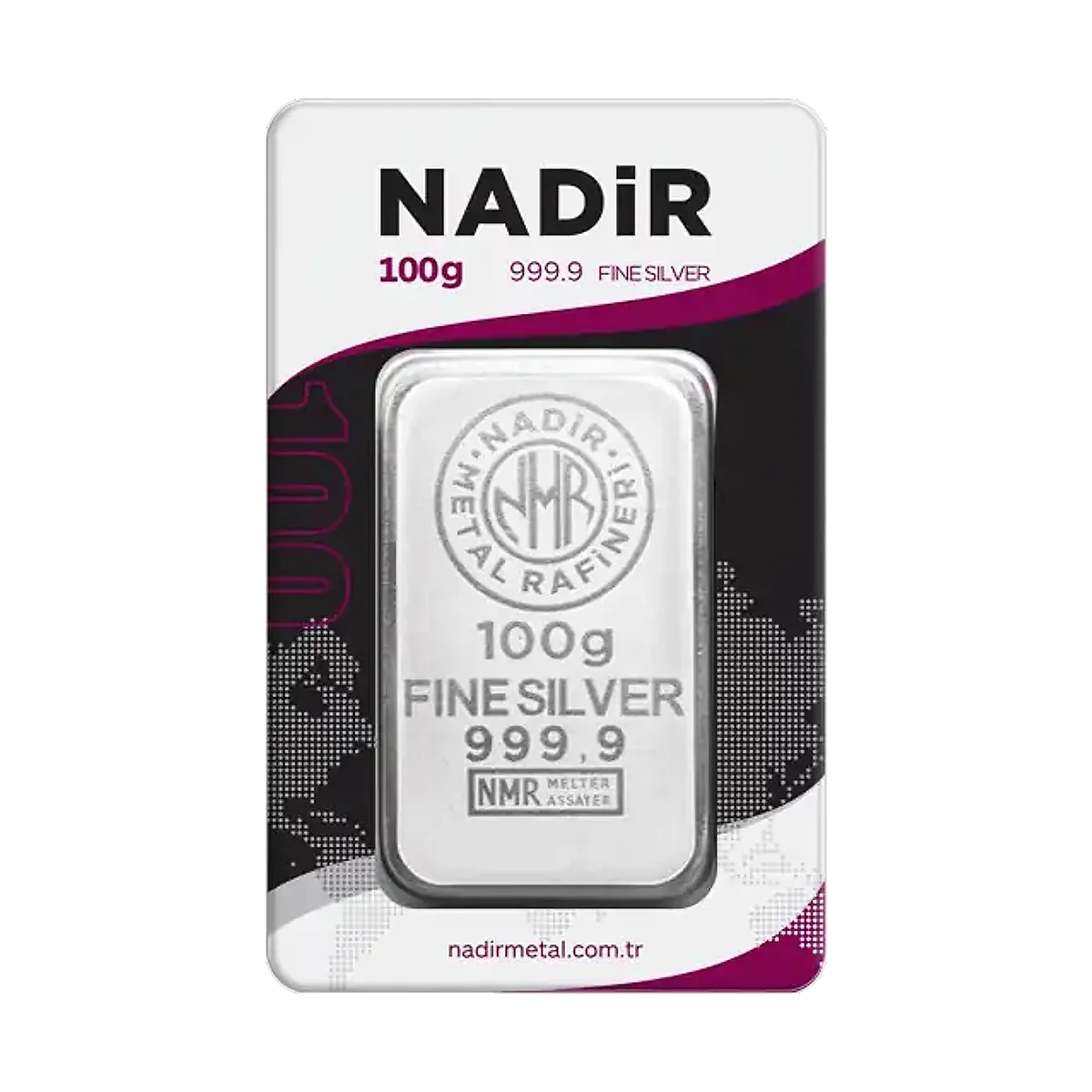
- Small: 1 oz, 5 oz, 50 g and 100 g bars
- Mid-sized: 10 oz, 250 g and 500 g bars
- Kilo: 1 kg bars, the most widely traded retail size
- Large: 100 oz (about 3.11 kg) and 5 kg bars
- Wholesale: London Good Delivery bars of roughly 1,000 oz, around 30 kg, held mostly by banks and vaults
Why small silver bars cost more per gram
Every bar sells at a premium over the spot price, and part of that premium is a cost per piece rather than per gram. Making the blank, stamping it, packing it, shipping it and handling it cost much the same whether the bar weighs 31 grams or 1,000. On a small bar, that cost lands on very few grams. On a kilo bar, it spreads thin.
Silver feels this more than gold does. A gram of silver is worth a small fraction of a gram of gold, so the making cost is a much bigger slice of a silver bar's price. That is why the per-gram gap between a 1 oz silver bar and a 1 kg silver bar is usually wider than the same gap in gold.
The fairest comparison is the one you work out yourself. Take the selling price on the product page, divide it by the weight in grams, and line the answers up across sizes. Our premiums are shown on every product page and prices move with the live spot price through the day, so do the sum on the day you are comparing, not with a figure you noted last week.
How much space and weight silver takes up
Silver is roughly half as dense as gold, so a kilo of silver takes up close to twice the room of a kilo of gold. And because silver costs so much less, the same budget buys a lot more metal. Customers who move from gold to silver are often caught out by how quickly a small collection gets heavy.
A 1 kg silver bar is about 95 cubic centimetres, close to the size of a bar of bath soap and many times its weight. Ten kilo bars weigh the same as a 10 kg bag of rice. A 5 kg bar sits happily on a shelf but is awkward to lift one-handed, and a 100 oz bar has a habit of slipping when your fingers are damp.
All of this decides where the silver can live. A home safe, a drawer in an HDB flat and a bank safe deposit box each have limits, and a box that holds a few gold bars with room to spare can fill up with a fairly modest amount of silver. Measure the inside of whatever you plan to use before you settle on a total, and make sure you can lift the bars in and out without straining.
Cast and minted silver bars: what actually differs
A cast bar starts as molten silver poured into a mould and left to cool. The surface is often a little uneven, with soft rounded edges, small ripples and sometimes a frosted look. The refiner's mark, weight, fineness and usually a serial number are stamped in afterwards. Many of the larger silver bars, kilo and up, are cast.
Minted bars begin as a rolled strip of silver, cut into blanks and struck with a die under heavy pressure. You get sharp edges, a flat polished or patterned face and crisp lettering, often with a design on the back. They usually come sealed in plastic or in a card, which keeps them looking new for longer.
Neither kind is purer. A 999 cast bar and a 999 minted bar from a recognised refiner hold the same metal. The real differences are finish and cost. Casting takes fewer steps, so cast bars often carry a lower premium than minted bars of the same weight, while minted bars suit people who like a clean look or are buying a gift.
Purity, refiners and what to look for on the bar
Most investment silver bars are 999 or 999.9 fine. In Singapore, silver bars of at least 99.9% purity from an accredited refiner, carrying the refiner's mark, fineness and weight, generally qualify for the investment precious metals exemption from GST. Silver below that purity does not, and nor does silver jewellery. IRAS's e-Tax guide on investment precious metals sets out the full conditions.
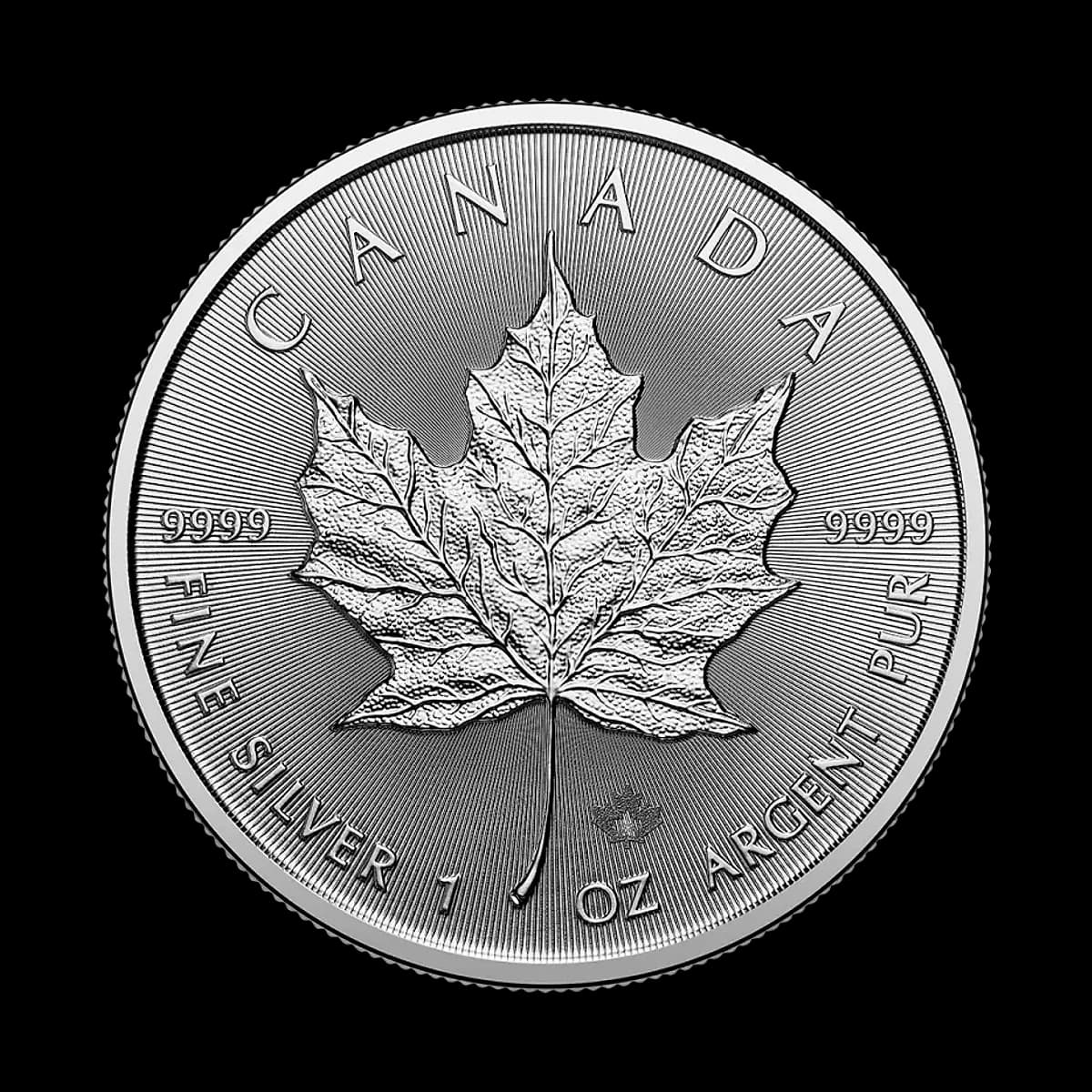
On the bar you should see the refiner's name or logo, the weight and the fineness, and on many bars a serial number too. We stock bars from refiners including PAMP, Argor-Heraeus, Perth Mint, Royal Canadian Mint, Metalor, Heraeus, JBR, Valcambi and Nadir Metal Rafineri. Which of them we have in silver at any moment depends on supply.
Every piece we sell is tested first. We use PMV (Precious Metal Verifier) and XRF testing, and PAMP bars get a Veriscan check as well.
Living with silver: tarnish, handling and selling back
Silver reacts with sulphur compounds in the air, and Singapore's humidity speeds things along. Bars left loose will dull over time, and some develop pale marks known as milk spots. None of this changes the silver content, only the look. Leave bars in their original packaging where you can, handle them with clean dry hands or cotton gloves, and keep them in an airtight container with a silica gel pack.
When you sell silver back to us, we test it at the counter and set the final amount there, at that moment's price. Clean bars with clear markings from known refiners are quick to check. Our sell page explains the process if you want to read it before coming in.
Buying silver bars at Bullion King
You can order through our online shop and pay by PayNow or bank transfer. Or walk in to Centrium Square, 320 Serangoon Road, Monday to Saturday 12pm to 8pm and Sunday 2pm to 8pm, with no appointment needed. In the shop we take PayNow, bank transfer, cash or card, and card carries a fee.
Self-collection is free, and with silver a lot of people like to carry their bars home themselves. Delivery within Singapore is by courier. For purchases above S$20,000 we take your NRIC or passport details, as the PSPM Act requires of every registered dealer. Our Ministry of Law registration number, PS20260001016, is on our About page and in the site footer.
Questions people ask
Is a 1 kg silver bar heavy to carry home?
One kilo bar weighs about the same as a 1 litre bottle of water and fits easily in a bag. Several add up fast, so if you are collecting a larger order in person, bring a sturdy bag or a small trolley case.
Can I fit silver bars in a bank safe deposit box?
Usually, but silver fills a box much faster than gold of the same value. Check the box's internal dimensions and any weight guidance from the bank first, so you know roughly how many bars will go in.
Does a cast silver bar with a rough surface mean lower quality?
No. The uneven surface comes from the casting process, not from impurities. The fineness stamped on the bar by a recognised refiner is what tells you the silver content.
Should I take a minted silver bar out of its plastic seal?
Most people leave it sealed. The packaging keeps fingerprints and tarnish off the surface, and the bar stays easy to identify with its card if you sell it later.
How do I compare prices between different bar sizes?
Divide the selling price by the weight in grams, then compare across sizes and between cast and minted bars. Use prices from the same moment, since they follow spot through the day.
Live silver prices are at bullionking.sg/market and current stock is at bullionking.sg/shop. If you would like to see a few sizes side by side, drop by the shop in Serangoon or WhatsApp us on +65 8088 4858.
General information, not financial, tax or legal advice. For the official rules see IRAS and the Ministry of Law.
Popular silver at today's prices
 Pre-order