
Keeping silver bright: tarnish, milk spots and safe storage
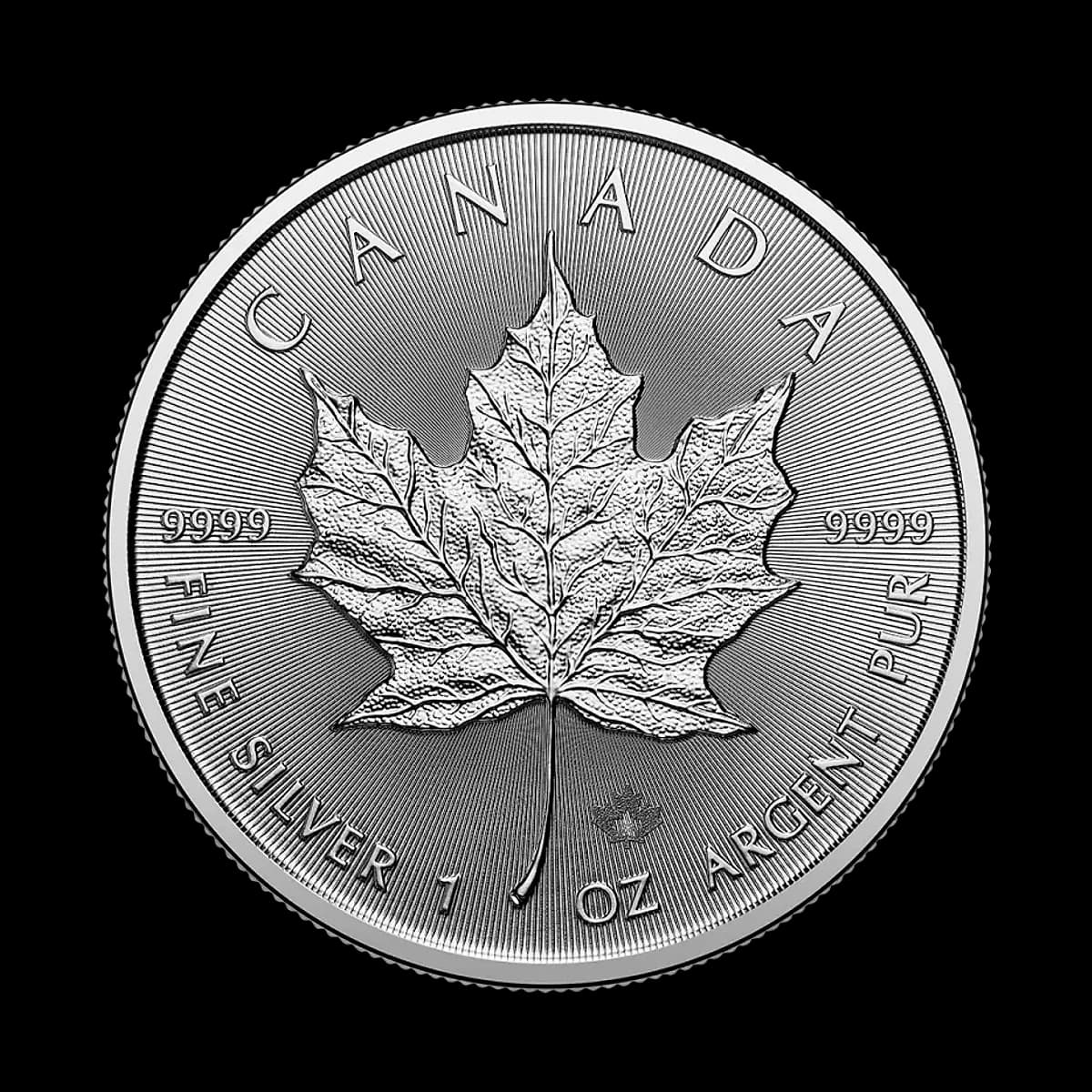
Silver changes colour over time. Leave a bright Maple Leaf on a shelf in a Serangoon flat for a year and it may come back looking yellowish, then brown, sometimes with a rainbow sheen at the edges. The metal inside is exactly the same. The look of the piece is another matter, and a few simple habits keep it much closer to the day you bought it.
- •Tarnish is silver reacting with sulphur in the air; humidity speeds it up, but the metal content stays the same.
- •Milk spots usually come from production and are cosmetic; trying to remove them tends to cause damage.
- •Don't polish or dip bullion: scratches and dulled lustre are permanent.
- •Use capsules or mint tubes, avoid PVC, and keep silver in an airtight box with silica gel.
Why silver tarnishes in the first place
Tarnish is a chemical reaction, not dirt. Silver reacts with sulphur compounds in the air, mainly hydrogen sulphide, and forms a thin layer of silver sulphide on the surface. It starts as a faint golden tone. Give it months and it deepens to brown, blue or nearly black.
Warmth and moisture speed the reaction up, so silver kept in Singapore tends to tone faster than the same coin stored somewhere cool and dry. Our air is humid for most of the year, and in a kitchen or next to a bathroom it is wetter still.
Plenty of ordinary household things give off sulphur as well. Rubber bands, wool, felt, some cardboard and paper, cooking fumes and certain paints can all hurry toning along. Put a loose coin in a drawer beside a rubber-banded stack of ang bao packets and you will see the difference soon enough.
Milk spots on silver coins: what they are
Milk spots are white or cloudy patches that turn up on silver bullion coins, often months after the coin has left the mint. They look a bit like a smear of dried milk, hence the name. You notice them most on modern 999 and 999.9 coins with large, smooth, shiny fields.
The usual explanation is residue from production: traces of rinse solution or moisture left on the surface before the coin was sealed in its tube. So a coin can look perfect on the day you buy it and develop spots later, through no fault of yours. Some mints now apply surface treatments meant to reduce the problem, though none seems to stop it completely.
The spots are cosmetic. Weight and purity are unchanged. They are also very hard to remove without harming the surface, so on bullion pieces most people simply leave them alone.
Why you shouldn't clean silver bullion
Wanting to polish a toned coin is natural. Toothpaste, silver dip and polishing cloths are the usual tools, and the result is nearly always worse than the tarnish was.
Silver is soft. Any abrasive, even a fine cloth, leaves hairline scratches that catch the light and dull the original mint lustre for good. Chemical dips strip the surface and can leave it looking flat and washed out. On a proof, or a coin with frosted details, a few seconds of cleaning can wipe out the contrast between the design and the background.
For a bar or coin bought for its metal, tarnish changes nothing about what it is made of: a 1 oz coin still holds its ounce of fine silver. A cleaned coin, though, often looks obviously handled, and a collector or dealer will spot it straight away. If a piece really bothers you, leave it be and show it to us. We would much rather see honest toning than polishing marks.
Handling coins and bars without leaving marks
Much of the damage happens in the first few minutes out of the packaging. Skin carries oils and salts, and a fingerprint left on a coin can etch into the surface and darken over time. Tiny droplets from talking or breathing close to a coin are also thought to start spots.
You don't need special equipment. A pair of cotton or nitrile gloves costs very little and is handy to keep with your silver.
- Hold coins by the rim, between thumb and finger, never on the faces.
- Wear gloves if you will be handling pieces for more than a moment.
- Work over a soft cloth or towel, so a dropped coin doesn't hit a hard floor.
- Don't talk or lean in close over coins outside their capsules.
- Leave sealed bars in their original card or blister packaging.
Capsules, tubes and original packaging
For single coins, a hard acrylic capsule is the simplest protection. It keeps fingers off, cushions against knocks and slows the air getting to the surface. Capsules are sized to coin diameter, so check the coin sits snugly without rattling; many come with a foam ring to take up any slack.
Coins bought in quantity usually come in mint tubes, which commonly hold 20 or 25 coins depending on the series. The tubes are made for the job, so keep the coins in them instead of tipping them loose into a box. Stay away from soft plastic flips made of PVC. Over time PVC breaks down and can leave a greenish, sticky film on silver that is far more trouble than tarnish.
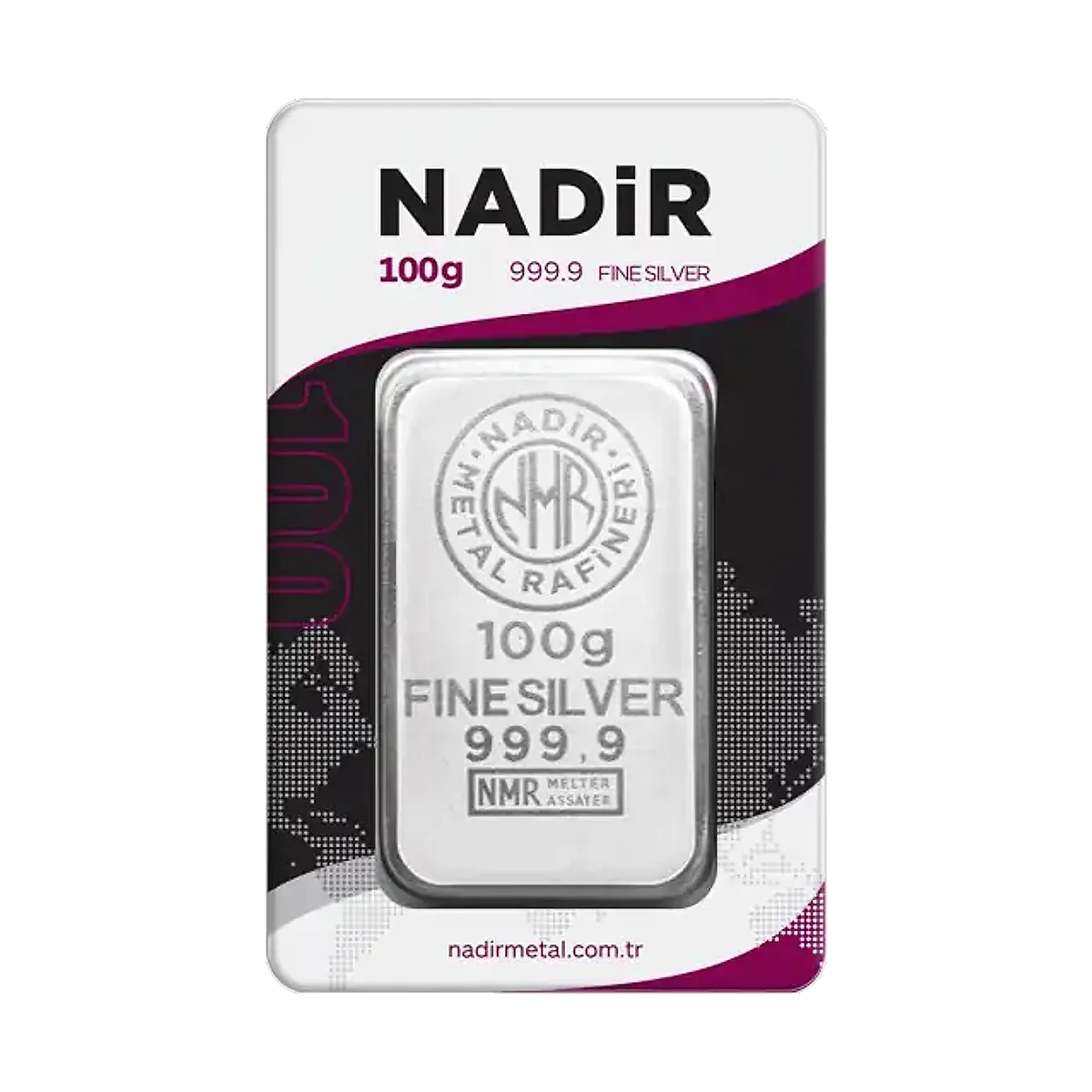
Minted bars often arrive sealed in a card or plastic assay pack with the refiner's details printed on it. Leave the seal intact. It protects the surface and keeps the bar's identifying details with it, which makes life simpler if you ever sell it back.
Dry storage in Singapore's humid climate
Moisture is the main culprit, so look for somewhere dry and steady. Keep silver away from the kitchen, the bathroom and any outside wall that gets damp. In many HDB flats the household shelter is stuffy and humid, so check it before you decide it is the right spot.
Next, an airtight container: a plastic box with a rubber seal, or a small dry cabinet like the ones photographers use for lenses. Put a few sachets of silica gel inside and replace or dry them out regularly, because they stop working once they are full. Anti-tarnish strips, which soak up sulphur compounds, are another cheap addition. A small hygrometer will tell you how dry the box really is.
Open it up every few months instead of leaving it untouched for years. A quick look lets you swap tired silica gel, spot a loose coin or a cracked capsule, and catch problems early. If your silver lives in a bank safe deposit box, the same rules apply inside the box: capsules, tubes and a sachet of silica gel.
Questions people ask
Will Bullion King buy back silver that has tarnished?
Yes, toning doesn't change the silver content, so bring it in as it is rather than cleaning it first. Every piece is tested at the counter and the final amount is set at that moment's price. You can read how it works at bullionking.sg/sell.
Can the coins I buy develop milk spots later?
They can. Milk spots sometimes appear months after minting, even on coins that looked perfect when you bought them. It is a known issue with many modern silver bullion coins, not a sign of a storage mistake on your part.
Do sterling silver and silver-plated items tarnish the same way?
Yes, they tarnish too. They are a different thing from bullion, though: sterling is 92.5% silver, below the 99.9% needed to count as investment precious metal, so it is not GST-exempt. IRAS's e-Tax guide has the full rules.
Should I keep the receipt and packaging?
It helps. The original tube, card or assay pack protects the piece and keeps the refiner's details with it, and the receipt is a simple record of what you bought and when.
You can check live silver prices at bullionking.sg/market and browse the range at bullionking.sg/shop, or walk into our shop at Centrium Square on Serangoon Road to see capsuled coins and sealed bars in person. Got a toned piece you're unsure about? WhatsApp us on +65 8088 4858 and we'll take a look.
General information, not financial, tax or legal advice. For the official rules see IRAS and the Ministry of Law.
Popular silver at today's prices
 Pre-order